Ash Wildroot

Author of The Fractured Star Chronicles

  • Hey everyone. I am finished with my first book in The Fractured Star Chronicles series The Sundering Prophecy. I am looking for ARC readers to read the book and provide reviews on Amazon and Goodreads. I will send you a free digital copy in epub format. Please read and provide honest feedback. The Fractured Star Chronicles will consist of between 8-10 books. This is the beginning of the series, setting the scene for the future books. The story is High Fantasy/Dark Fantasy. Family friendly( No cussing or sexual references) just good Ole fantasy story.

    Below is a brief overview of the book.

    The Sundering Prophecy is one of the oldest surviving records of a world reshaped by loss.
    Before kingdoms claimed borders or crowns carried weight, the age of dragons ended in fire and ruin. Their fall did not merely destroy an empire of flame and sky. It created the world as it now exists, scattering power into land, bloodlines, and memory. Mountains rose where titans fell. Seas swallowed what could not endure. From their collapse came balance, but also fracture.
    The prophecy emerged from that breaking.
    Preserved in fragments and guarded by priests, scholars, and hidden orders, the Sundering Prophecy does not foretell peace or salvation. It speaks instead of cycles, of power returning when the world grows rigid, and of choice arising only when no path is clean. History records it not as guidance, but as a warning.
    At its heart, the prophecy names three children, born beneath a red comet whose return marks the stirring of old forces. Each child is bound to a different aspect of what was lost when the dragons fell: fire, light, and shadow. One is shaped by endurance and survival, forged in lands that remember heat and ash. One carries power openly, crowned by expectation and faith. The third moves unseen, defined by absence, secrecy, and what was taken before she could speak her name.
    The prophecy does not name them heroes.
    It names them points of convergence, lives through which the world will either fracture again or be reforged into something unrecognizable. Their paths are not united by destiny’s mercy, but by necessity. Where they stand, the land responds. Forests grow watchful. Fire stirs. Shadows lengthen with intent.
    What makes the Sundering Prophecy dangerous is not that it predicts collapse, but that it insists collapse is inevitable. Throughout history, rulers and hidden cults alike have attempted to control its outcome by hiding children, erasing records, shaping belief, or bending power toward their own vision of survival. Every attempt has only deepened the fracture.
    The prophecy endures because it does not belong to the past.
    When dragons are remembered, when names are removed from record, when power begins to hunt instead of protect, the prophecy awakens once more, not as myth, but as consequence.
    The Sundering is not coming.
    It has already begun.

    If interested in becoming an ARC reader or if you want to join my email list, email me at

    Ashwildroot@proton.me
  • Among the surviving texts of The Sundering Prophecy, none is quoted more often, or understood less, than the Emberfall Prophecy.

    Recorded in the Ashbound Codex, this fragment has endured wars, fallen kingdoms, and deliberate erasure. While other prophecies were rewritten to suit rulers or gods, this one was left intact. Untranslated. Unclarified.

    Perhaps intentionally.

    The Emberfall Prophecy

    When the Red Star bleeds the sky,
    three sparks shall fall to the world below.
    One shall burn without flame,
    and where they stand, even ash shall remember life.

    No names are given.
    No time is specified.
    No ending is promised.

    Only observation.

    A Prophecy Without Instruction

    The Emberfall Prophecy does not command action. It does not warn of punishment or promise salvation. It offers no guidance on what should be done—only what will be seen.

    This has made it dangerous.

    Across the realms, scholars argue over whether it predicts destruction or rebirth. Priests debate whether the Red Star is a sign, a weapon, or a witness. Entire orders have risen and fallen attempting to identify the three sparks.

    None have agreed.

    The Ashbound Codex

    What is known is where the prophecy was preserved.

    The Ashbound Codex is one of the oldest surviving records from Emberfall, its pages scarred by heat and time. Unlike other holy texts, the Codex contains no prayers, no praise, and no divine commandments.

    Only records.

    The Emberfall Prophecy appears without commentary, margin notes, or explanation, as if those who preserved it feared adding anything at all.

    Why Emberfall Guarded It

    Emberfall has always been a land shaped by aftermath. Cities rebuilt atop ruins. Fields grown from scorched ground. Memory treated as something sacred and dangerous.

    It is said that Emberfall’s priests did not seek to interpret the prophecy, only to ensure it was not lost. That understanding it too soon, or too confidently, would be more dangerous than ignorance.

    Whether this restraint was wisdom or fear remains disputed.

    A Prophecy Still Unfolding

    What makes the Emberfall Prophecy unsettling is not its imagery of fire or ash, but its refusal to explain itself.

    It does not say who the sparks are.
    It does not say why they fall.
    It does not say what comes after.

    It simply waits.

    Readers of The Sundering Prophecy will encounter this text more than once, always unchanged, always unresolved. As events unfold, the prophecy does not clarify itself, it only grows heavier.

    Final Thought

    Most prophecies demand belief.

    The Emberfall Prophecy demands patience.

    And in a world built on ash, patience can be more dangerous than fire.

  • Hey everyone, I am currently going through my book to polish it up before it is published. I hope to be done and published by the end of the month!

    Ash

  • In the world of The Fractured Star Chronicles, few figures embody hope, duty, and resilience as completely as Lyrianna of Evergrove. Born beneath prophecy and raised within a kingdom shaped by living magic, Lyrianna is not merely a princess by title. She is a guardian of life itself.

    While others inherit crowns of gold, Lyrianna inherits something far heavier: responsibility.

    A Princess Born in the Kingdom of Evergrove

    Lyrianna was born in Evergrove, the radiant kingdom formed from the lingering essence of the dragon Luceryn. Unlike other realms carved from conquest or stone, Evergrove is alive. Its forests breathe. Its rivers remember. Its people believe that life itself must be protected, not ruled.

    From the moment of her birth, Lyrianna was watched not only by her people, but by the land.

    The priests called it a blessing.
    The elders called it destiny.

    But Evergrove does not give lightly.


    Raised to Protect, Not to Conquer

    Unlike many fantasy princesses trained solely in diplomacy or ceremony, Lyrianna’s upbringing reflects the values of her kingdom. She is taught patience before power. Stewardship before command. Preservation before expansion.

    Evergrove does not celebrate rulers who dominate.
    It endures through those who protect.

    Lyrianna learns to listen to the forest’s warnings, to feel the subtle shifts in life magic, and to recognize when growth becomes imbalance. Her strength is not explosive or dramatic. It is quiet, steady, and deeply rooted.

    This makes her dangerous in a way few understand.

    The Weight of Prophecy and Expectation

    Lyrianna’s birth is tied to prophecy, spoken openly and repeated often. She is the child the world expects to shine. The one raised in light, seen by all, shaped by hope and tradition.

    Yet prophecy is not kindness.

    Every step Lyrianna takes is watched. Every mistake is magnified. She is expected to embody perfection, to be Evergrove’s living symbol of harmony even as the world around her begins to fracture.

    And still, she endures.


    Light That Does Not Blind

    In The Fractured Star Chronicles, light is not portrayed as simple goodness. It reveals. It exposes. It demands accountability.

    Lyrianna understands this instinctively.

    Her power does not burn. It stabilizes. It reinforces what should survive. When kingdoms falter and ancient forces awaken, Lyrianna becomes a counterweight to chaos, a reminder that life does not need to dominate to prevail.

    Where others seek victory, she seeks continuity.


    Lyrianna’s Role in The Fractured Star Chronicles

    As the series unfolds, Lyrianna stands at the center of an impossible balance:

    A kingdom that depends on her restraint

    A prophecy that pushes her toward action

    A world that will soon demand she choose between preservation and sacrifice

    She is not the loudest force in the story.
    She is not the most feared.

    But when Evergrove is threatened, when life itself trembles, Lyrianna does not break.

    She holds.


    A Crown Rooted in Life

    Lyrianna represents a different kind of fantasy heroine. One whose strength lies not in destruction, but in endurance. Not in conquest, but in care. She is the embodiment of a living kingdom’s will to survive.

    And as the fractures spread across the realms, one truth becomes clear:

    Some crowns are forged in fire.
    Some are claimed by shadow.

    But Lyrianna’s crown is grown from life itself.

  • Some legends begin with prophecy.
    Aeron’s began with fire.

    On the night the Red Comet tore across the heavens and the Obsidian Mountain cracked open, a single child was born in the ashfields of Emberfall. As the ground trembled and the sky bled crimson, the world changed forever. Dragons were no longer myth. Ancient forces long buried beneath stone and magma stirred once more.

    And Aeron drew his first breath.

    Born to a simple family on a remote farmstead, Aeron did not enter the world with a crown, a title, or a destiny spoken aloud. What he inherited instead was loss. His father died beneath falling obsidian before he could even hold his son. His mother fled through fire and ash with a newborn pressed to her chest, hunted not by monsters, but by fear disguised as faith.

    From his first moments, the world responded to him.

    Fire bent.
    Heat lingered where it should not.
    The mountain listened.

    Yet Aeron is not a conqueror. Not a chosen hero crowned by prophecy. He is a child born at the wrong moment in history, carrying within him something ancient, something unfinished, something the world itself does not yet understand.

    Fire Without Flame

    Aeron’s power does not announce itself in roaring infernos or blinding destruction. It is subtle. Dangerous. Alive.

    His warmth is constant, like a hidden hearth. His presence stirs the air. Embers answer his breath. Fire recognizes him not as a weapon, but as kin.

    Those who sense it fear him.

    The Flamecallers call him an omen.
    The faithful whisper of curses and blessings in the same breath.
    And far beneath the Obsidian Mountain, something older than memory remembers the sound of his heartbeat.

    But Aeron himself knows none of this.

    He knows only his mother’s arms, the long roads of exile, and the quiet instinct that the world is watching him even when no eyes are near.

    A Legacy He Did Not Choose

    Aeron’s story is not about power gained. It is about power endured.

    He is born into a fractured world still scarred by the Sundering, a world where dragons shaped the land and death itself once walked beside them. The force awakening within him is tied to that ancient history, to a tragedy that predates kingdoms and gods alike.

    Whether Aeron will become salvation or catastrophe is not yet written.

    What is certain is this:

    The world will not allow him to remain hidden forever.

    As kingdoms tremble, cultists whisper, and the Ashen Crown stirs beneath molten stone, the child born under the burning sky grows quietly, carrying fire not as destruction, but as inheritance.

    And when Aeron finally learns what he is, the world will be forced to remember what it tried so desperately to forget.

  • The Ashen Crown, Bearer of the End

    Before the world learned to fear him, Vaelgorath was known by another name.

    Vharox.

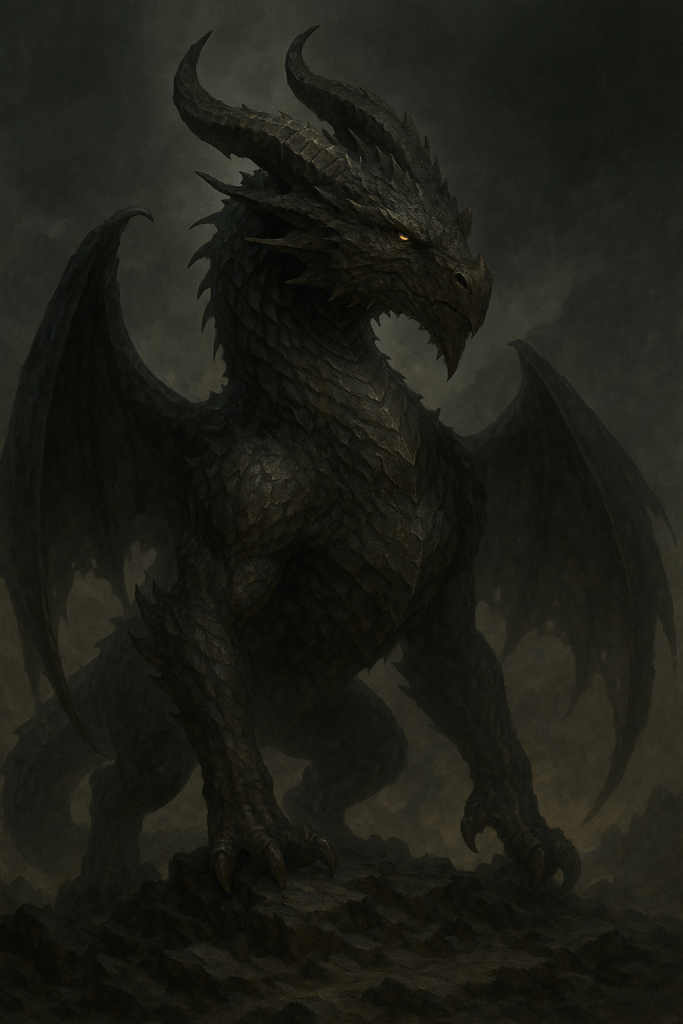
    He was the Firstborn of creation, forged in the earliest breath of existence, when balance still held meaning and the world had not yet learned how to suffer. Where the other dragons embodied forces of flame, frost, storm, sea, stone, shadow, and light, Vharox stood between them all. He was not greater in power, but greater in purpose.

    He was the guardian.

    For ages uncounted, Vharox helped shape the world and protect it from annihilation. When chaos threatened to tear creation apart, he steadied it. When Death first reached for the world, it was Vharox who stood in its path, again and again, holding the inevitable at bay so life could continue.

    But guardianship is a lonely burden.


    The Choice That Broke the World

    When the Seven fell, balance collapsed. One by one, the elemental dragons were consumed, leaving the world fractured, unfinished, and bleeding. Death advanced unchecked, not as a mindless force, but as a certainty the world could no longer resist.

    Vharox stood alone beneath a broken sky.

    He could flee.
    He could rage.
    He could let the world end.

    Instead, he chose sacrifice.

    In a final act of defiance and mercy, Vharox inhaled Death itself, imprisoning the inevitable within his own being so the world might endure a little longer. It was never meant to be a victory. It was meant to be a delay.

    But Death cannot be contained without consequence.


    The Poisoning of a Guardian

    Death did not break Vharox through pain or domination.

    It broke him through belief.

    Bound within him, Death whispered not of destruction, but of truth. It showed him the world as it was becoming: kingdoms rising only to fall, mortals suffering endlessly in defiance of endings they could not escape. Life clung desperately to existence, multiplying grief rather than resolving it.

    Where Vharox once saw endurance, he began to see cruelty.

    Where he once believed mercy saved the world, he came to believe mercy had condemned it.

    His mind changed before his body did.

    And when the transformation was complete, Vharox was no more.

    Vaelgorath was born.


    The Ashen Crown

    Vaelgorath is not a beast of chaos.

    He is order taken to its final conclusion.

    His fire no longer burns. It devours. His presence does not destroy indiscriminately; it erases with purpose. Where he would walk, magic would unravel, stone would fracture, and life itself would falter beneath the weight of inevitability.

    He does not seek conquest.

    He seeks completion.

    To Vaelgorath, Death is not an enemy to be resisted, but the rightful ruler of existence. Suffering persists, he believes, because Death has been denied its throne. Only when Death reigns openly can the world finally be finished cleanly, without endless cycles of loss.

    In this belief, Vaelgorath became Death’s greatest ally.

    Not its servant.

    Its executor.


    Beneath the Obsidian Mountain

    Realizing the devastation his new certainty could unleash, Vaelgorath withdrew from the world. He sealed himself beneath the Obsidian Mountain, entombing his body and binding his power, not out of repentance, but restraint.

    He waits.

    Not for strength.
    Not for freedom.

    For confirmation.

    The prophecy speaks not of his defeat, but of a choice yet to be made. Vaelgorath believes the prophesied ones exist not to stop him, but to judge whether the world deserves to continue resisting its end.

    Until that judgment is rendered, the Ashen Crown remains still.


    The Cult of Vaelgorath

    Across the Seven Kingdoms, his name is spoken only in whispers.

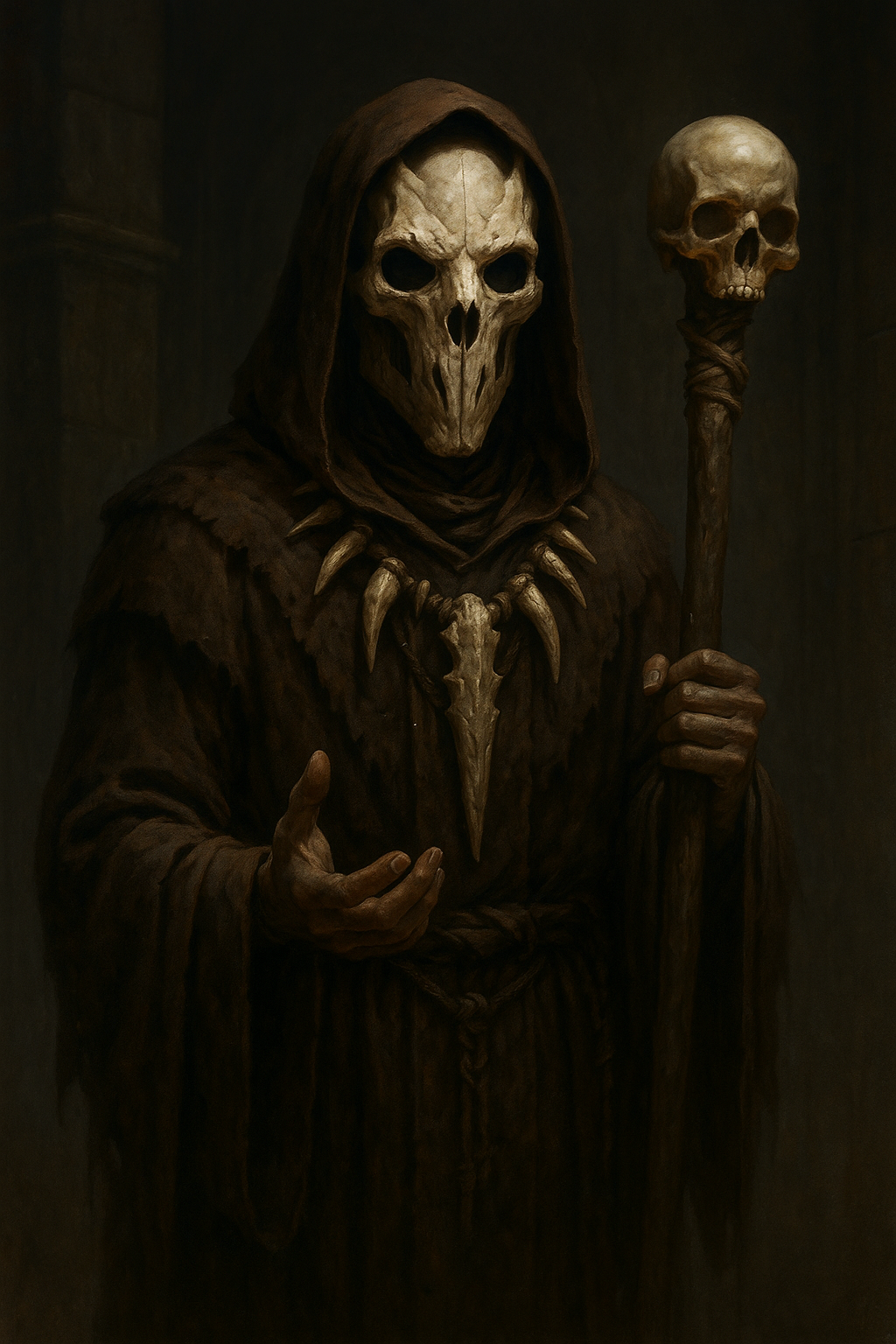
    In secret, the Cult of Vaelgorath endures. They do not worship destruction. They worship release. To them, Vaelgorath is not a monster, but a savior who will free the world from endless suffering.

    Their doctrine is simple:

    What begins must end.
    What ends must be complete.

    They work quietly, patiently, preparing the world not for survival, but for acceptance.


    The Tragedy of the End

    Vaelgorath is not the villain the world believes him to be.

    He is something far more dangerous.

    He is a guardian who came to believe that life itself was the mistake.

    And when he rises, the world will not face a raging beast, but a certainty given form, guided by conviction, and crowned by Death itself.

    The end is not coming.

    It is waiting.

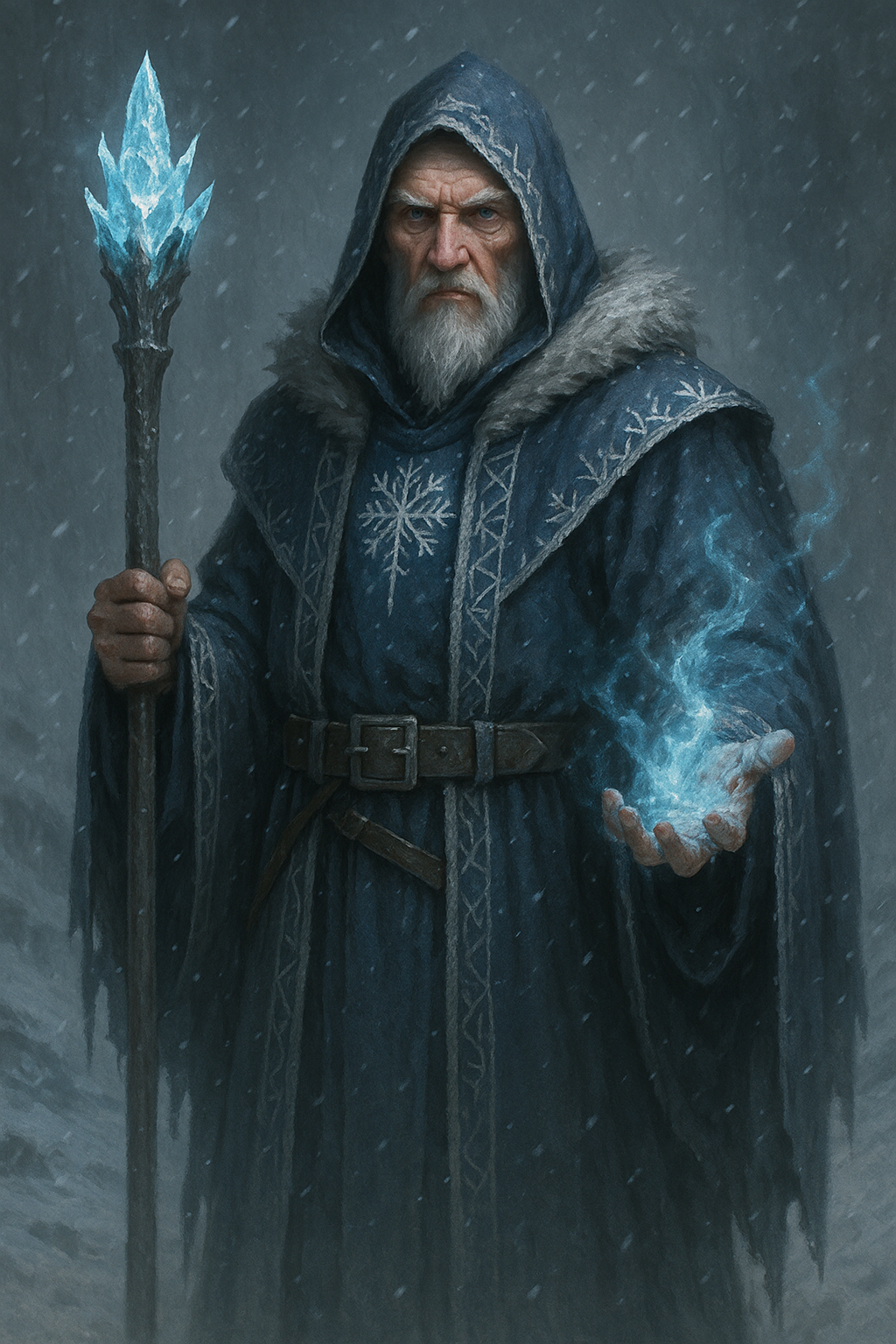
  • At the edge of the world, where the wind cuts like a blade and the sun feels distant and fragile, lies Nivaryn. A kingdom born not of fire or fury, but of quiet finality. Here, snow does not fall in storms alone. It drifts in still air, as though the land itself is holding its breath.

    Nivaryn is not cruel.
    It is honest.

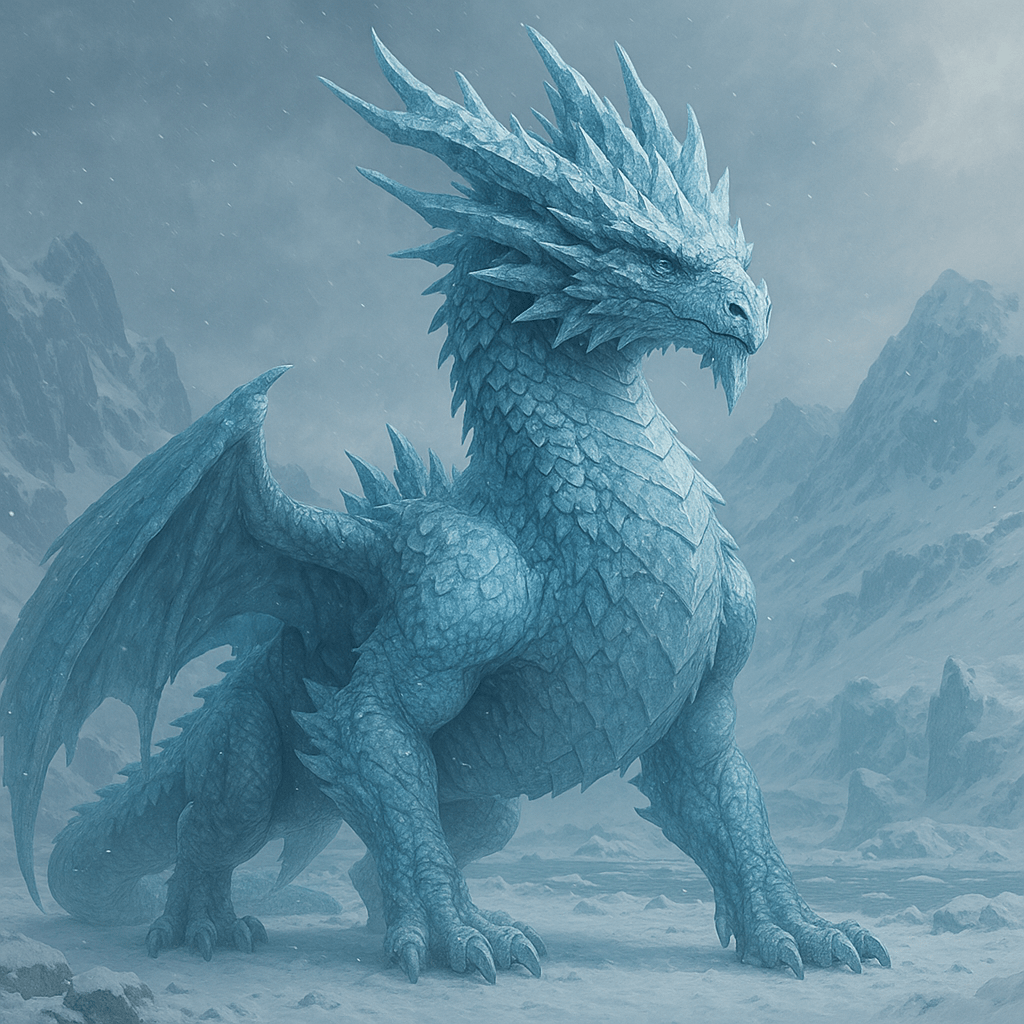
    Where Glacieron, Frostborne of Frost and Shadow, shattered beneath the touch of Death, the world learned stillness. His fall did not scorch the land or drown it. It hushed it.

    Thus Nivaryn was born.


    The Fall of Glacieron

    Glacieron was restraint incarnate.

    Where others burned, surged, or shattered, he cooled. His presence slowed the world, preserving balance through calm and patience. Rivers froze gently at his passing. Winds softened beneath his wings.

    When Death came, Glacieron did not rage.

    He inhaled deeply, drawing cold from the sky, the land, and the seas. With one final breath, he froze time itself for a heartbeat. Lightning crystallized mid-air. Waves halted in glassy arcs. Even sound fell silent.

    Then Death touched him.

    Glacieron did not fall screaming. He shattered softly, like ice breaking under moonlight. His fragments scattered across the world in a glittering storm, settling into eternal snowfields and frozen seas.

    From his remains rose Frostmarch, a land forever touched by his calm.


    Geography of the Frozen Realm

    Nivaryn is a vast expanse of glaciers, tundra, and frozen seas stretching beyond the horizon. Mountains of blue-white ice rise like ancient fortresses, their depths riddled with crystal caverns that hum faintly with residual magic.

    Snowfall here is strange. Often, it falls without wind. At times, it rises from the ground instead, drawn skyward by unseen forces. Rivers freeze from the bottom up. Auroras hang unnaturally still across the night sky.

    At the heart of the kingdom stands Winterhold, a capital carved directly from frost-crystal and reinforced with iron-hard permafrost. Its towers gleam faintly under moonlight, reflecting the cold rather than resisting it.


    Faith and the Cult of Stillness

    Nivaryn worships no pantheon.

    Instead, its people honor The Silence, a sacred state believed to be Glacieron’s final gift to the world. Silence is not emptiness here. It is discipline, reflection, and survival.

    Temples are carved deep into ice and stone, sealed against the wind. Prayer is silent. Chanting is considered disrespectful. To shout in a sacred space is a grave offense.

    Winterseers, the spiritual leaders of Nivaryn, enter trances during moments of absolute stillness, interpreting visions carried through cold rather than flame or storm.

    The greatest fear is not death.

    It is thaw.


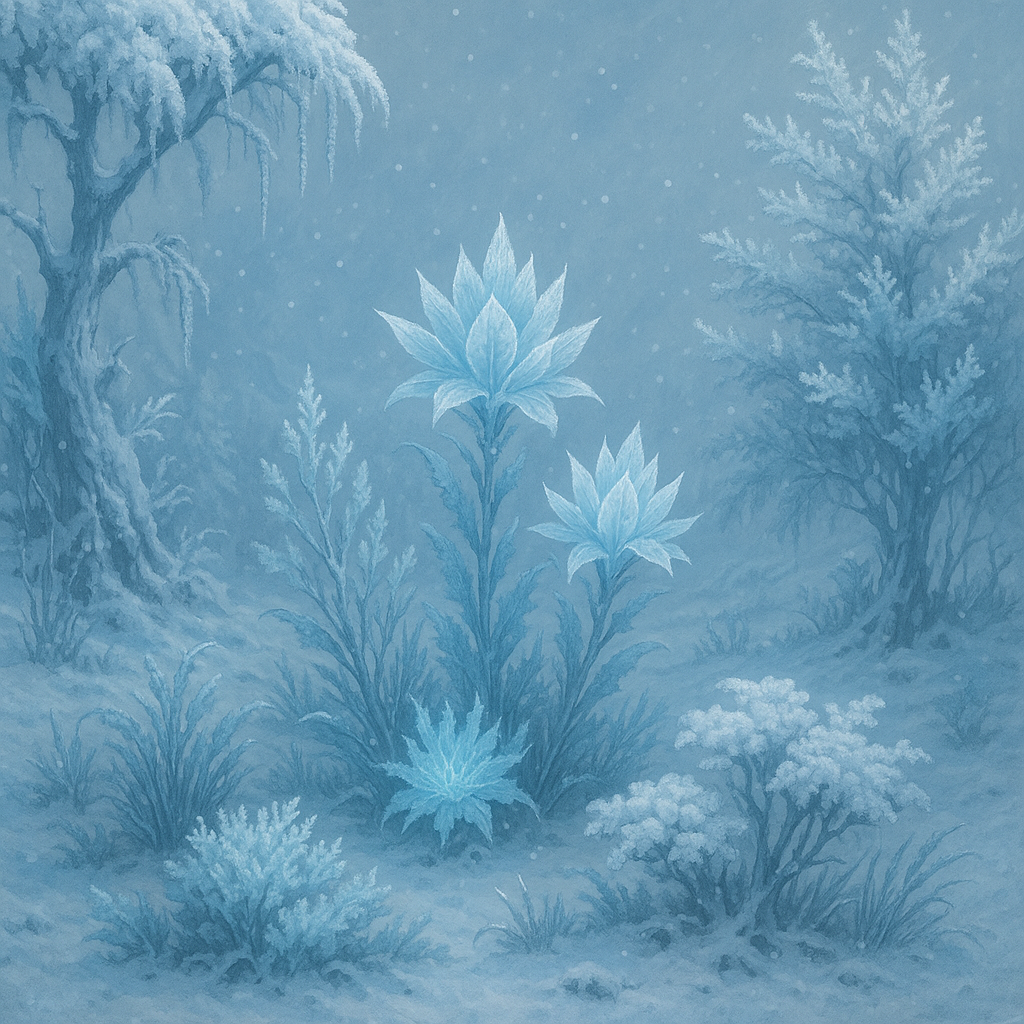
    Flora of Nivaryn

    Life here survives through endurance, not abundance.

    Frostwillow Trees grow twisted and low, their bark pale as bone and their leaves thin as glass. They shed shards instead of foliage.

    Icebloom Moss spreads beneath snowpacks, glowing faintly blue at night and providing vital warmth when burned.

    Crystal Lichen forms along glacier walls, feeding on lingering magic rather than sunlight.

    Plants grow slowly, often taking decades to mature, but can survive centuries once rooted.


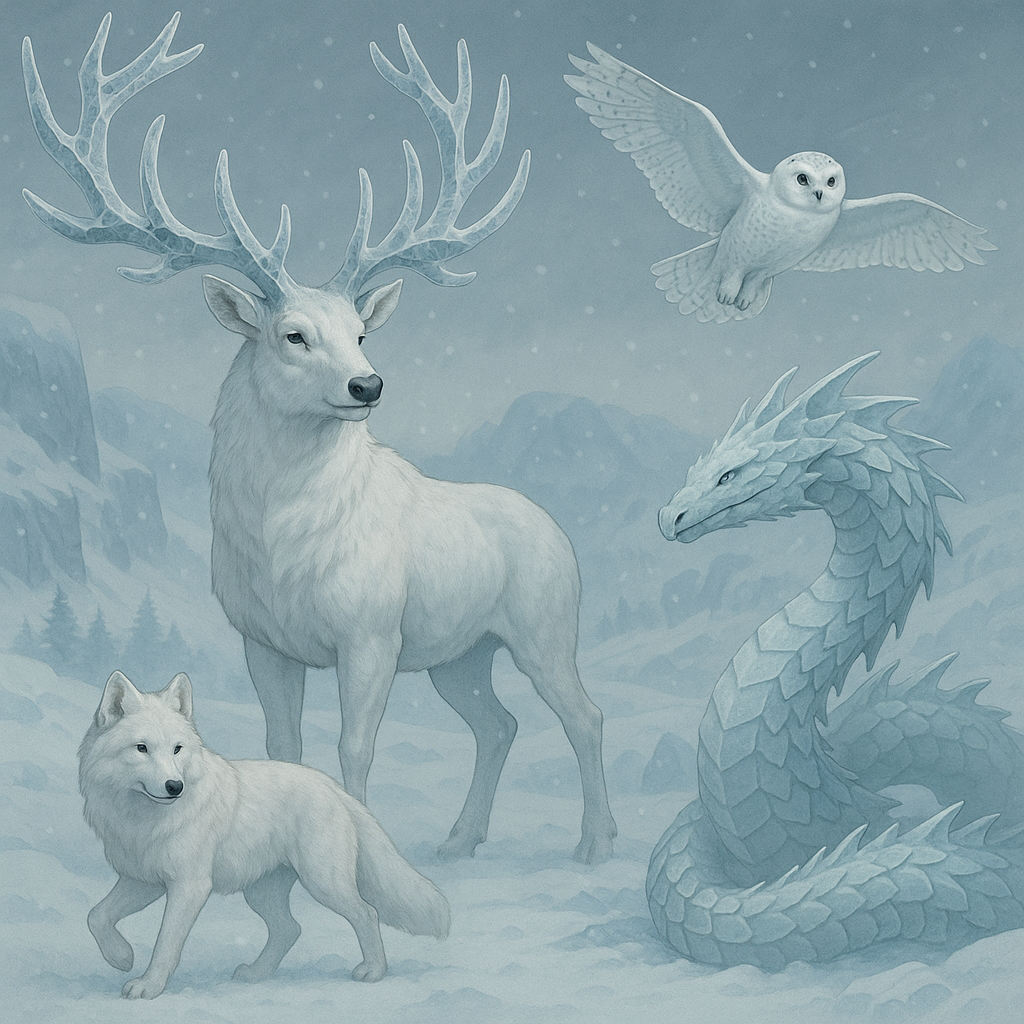
    Fauna of the Frozen North

    Creatures of Nivaryn are built for silence and strength.

    Frost Wolves hunt in near-perfect coordination, their breath freezing in the air without sound.

    Ice-Elk roam the tundra, their antlers grown from translucent crystal that refracts moonlight.

    Snow Owls glide without wingbeat, nearly invisible against the pale sky.

    The most feared beasts are Glacier Wyrms, ancient serpentine creatures that burrow through ice rather than stone, leaving tunnels that never collapse.


    Governance and Law

    Nivaryn is ruled by a High Marshal, advised by a council of clan elders and Winterseers. Leadership is earned through survival, wisdom, and service, not bloodline alone.

    Law is strict but fair. Punishments emphasize exile and endurance over execution. Those cast out are given supplies and a single chance to return stronger.

    Mercy exists, but it is earned.


    Culture and Daily Life

    Nivaryn’s people are reserved, deliberate, and deeply resilient. Speech is concise. Gestures are minimal. Emotion is not suppressed, but controlled.

    Children are taught to read weather patterns before letters. Silence is practiced as a skill. Endurance trials mark the passage into adulthood.

    Fire is respected, but never trusted.

    Every citizen knows the oldest truth of the north:

    “The cold remembers everything.”


    Legacy of the Silent Dragon

    Glacieron did not conquer the world.

    He preserved it.

    Nivaryn stands as proof that not all strength is loud, and not all power burns bright. In its frozen stillness lies a warning to all kingdoms.

    When the world moves too fast,
    when chaos rises unchecked,
    when the balance fractures—

    The cold will answer.

    And Nivaryn will endure.

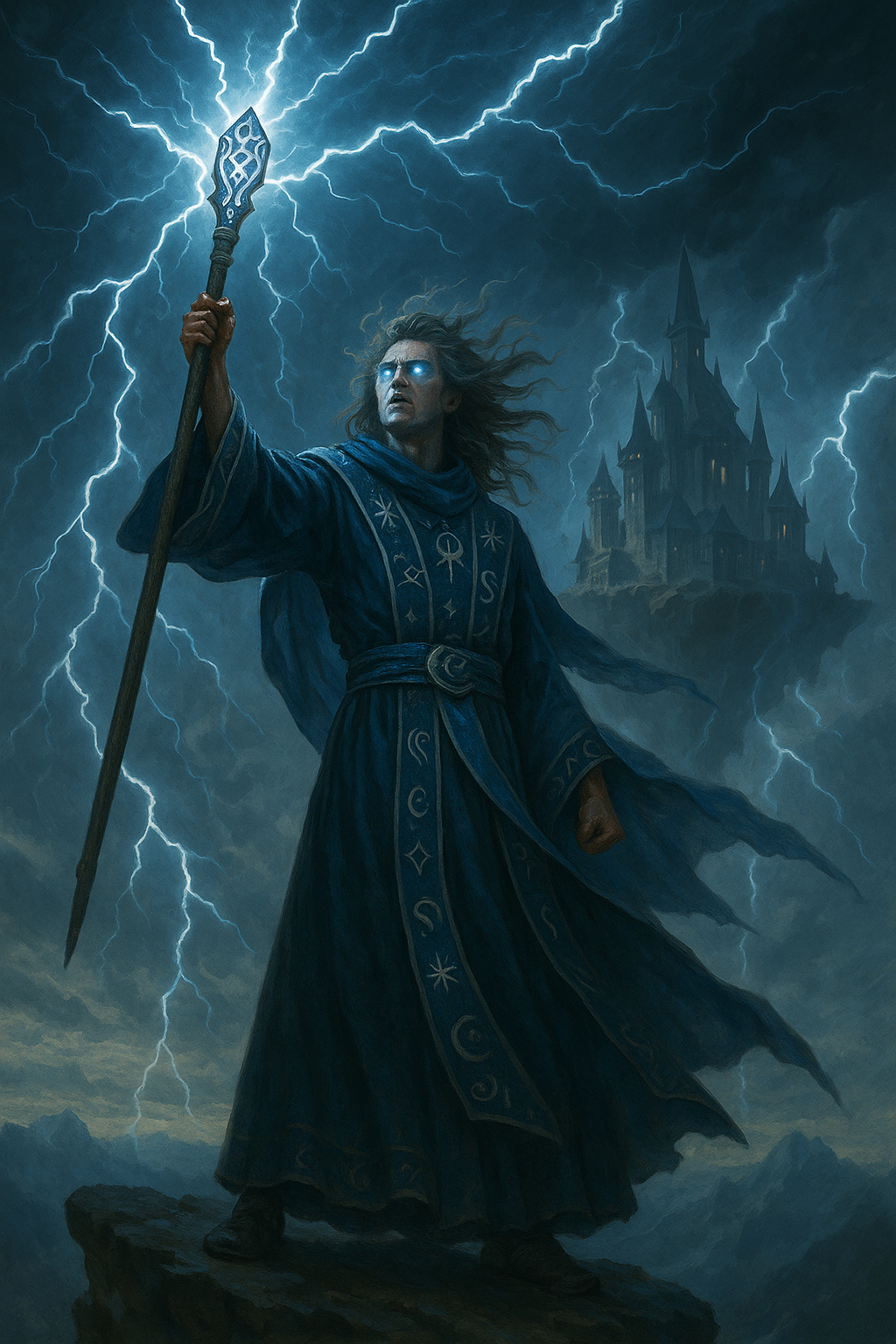
  • High above the fractured world, where clouds coil like living things and lightning never truly rests, drifts the realm of Zepharyn. A kingdom without soil or shore, Zepharyn exists suspended between heaven and earth, a testament to both divine sacrifice and cosmic loss.

    It is a land born not of conquest, but of collapse.

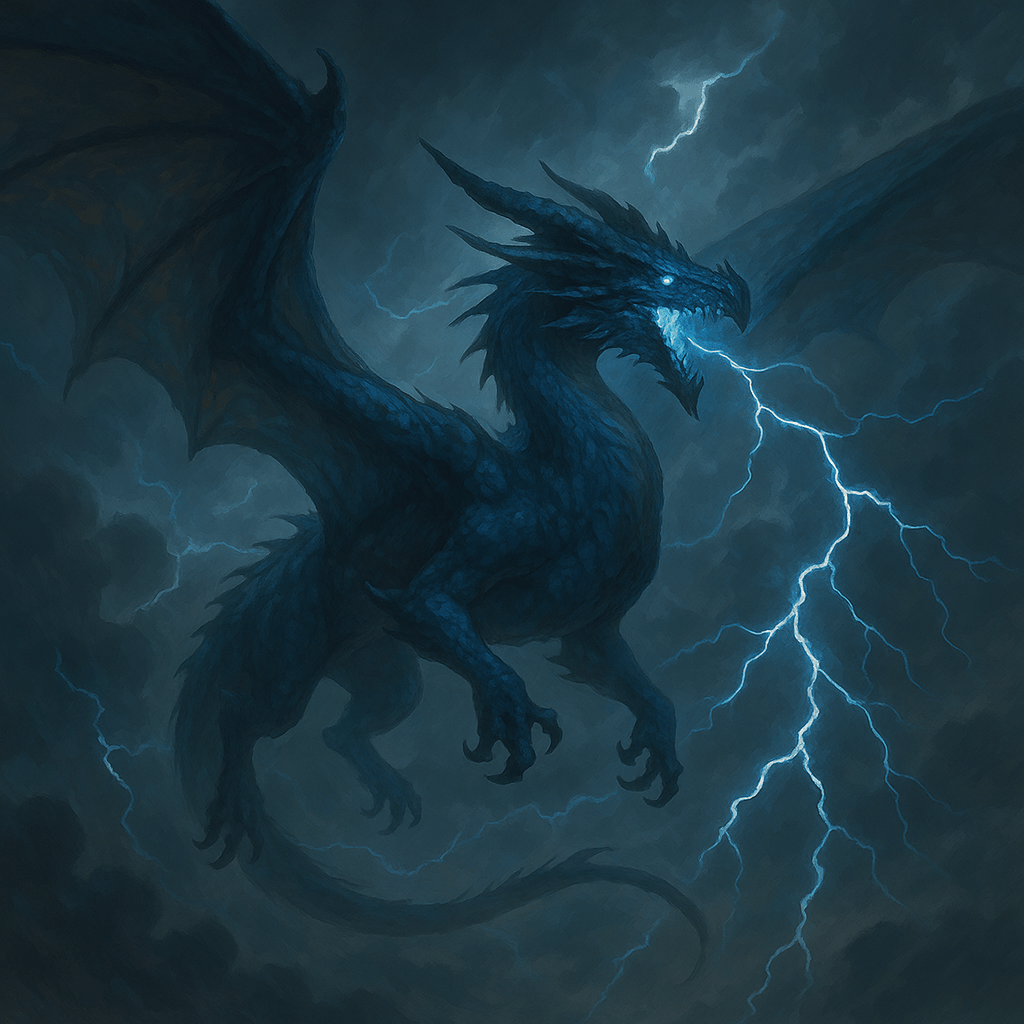
    Where Aerithor, Skymaker of Storm and Air, fell from the sundered heavens, the sky refused to release him. His shattered wings broke apart into countless fragments, each infused with storm-magic too powerful to descend. The wind caught them, held them aloft, and would not let go.

    Thus Zepharyn was born.


    The Fall of Aerithor

    Aerithor was freedom given form.

    Born of Storm and Air, he ruled the skies in the First Age, guiding wind currents, shaping storms, and setting the breath of the world into motion. The sky obeyed him. Clouds parted at his passing. Lightning answered his call.

    But during the War of Elements, the balance fractured.

    When Death descended upon the Seven, Aerithor defied it openly. He seized lightning in his talons and hurled thunder as a weapon, binding hurricanes beneath his wings in a final act of defiance.

    It was not enough.

    Death stilled the wind.

    Lightning froze mid-strike. Clouds vanished. Deprived of the sky itself, Aerithor plummeted from the heavens. His fall was endless, a god cast down through a broken firmament.

    Yet he never truly reached the ground.

    The wind caught his broken form, and in doing so, preserved him.

    His wings shattered into floating landmasses. His breath became the eternal currents that hold them aloft. His last storm never ended.

    Zepharyn drifts still, circling invisible paths laid down by a dying god.


    Geography of the Sky

    Zepharyn is a constellation of floating isles, ranging from towering plateaus to drifting shards barely large enough to hold a single tree. Invisible wind currents form stable paths between them, known as skybridges, which trained windbinders can sense and traverse.

    Lightning coils constantly along the edges of the islands, grounding excess storm-energy into the clouds below. Waterfalls pour endlessly from the undersides of larger isles, evaporating long before they reach the surface world.

    At the heart of the realm floats Aetherwind Spire, the largest and most stable island, believed to rest above the place where Aerithor’s heart finally stilled.

    Storms are not weather here.
    They are infrastructure.


    Faith and Religion

    Zepharyn people worship no single god.

    Instead, they revere The Breath, the living presence of wind believed to be Aerithor’s lingering consciousness. Temples are open-air sanctuaries with no walls, only stone circles and wind-harps that sing when storms pass through.

    The dominant belief holds that Aerithor did not die, but was dissolved into motion. Every gust is a thought. Every storm, a memory.

    Stormcallers serve as both priests and scholars, interpreting the patterns of lightning and wind as divine language. A sudden shift in currents is considered an omen. A silent sky is feared above all else.

    To still the wind is sacrilege.


    Flora of Zepharyn

    Life in Zepharyn is adapted to constant motion.

    Cloudroot Vines cling to stone, feeding on moisture drawn directly from mist and fog. Their translucent leaves shimmer faintly during storms.

    Skybloom Lilies open only during lightning storms, absorbing electrical charge and releasing soft blue light at night.

    Aeris Reed grows along island edges, bending impossibly without breaking. It is used in the construction of wind-harps, sails, and ceremonial garments.

    Plants here grow shallow and wide, anchoring themselves against perpetual wind rather than deep soil.


    Fauna of the Floating Isles

    Zepharyn’s creatures are born of altitude and storm.

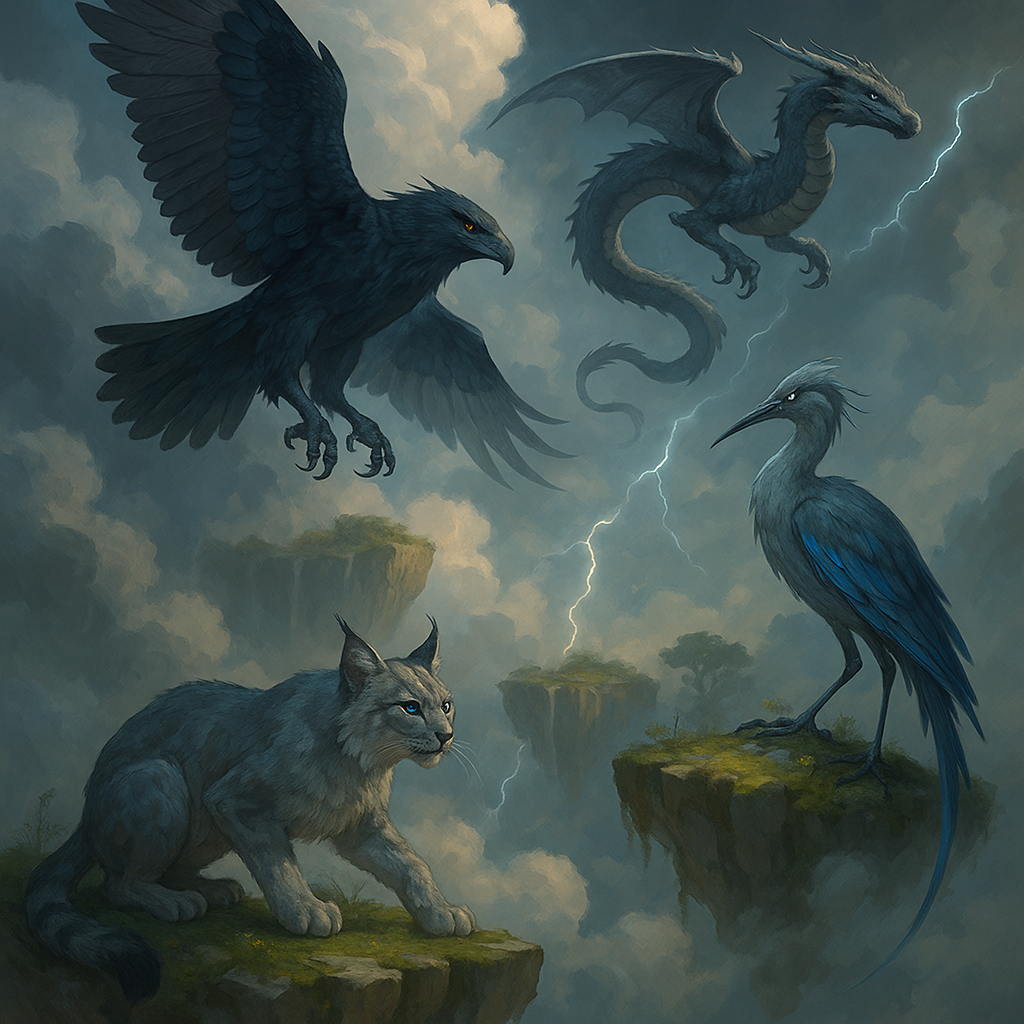
    Stormbirds nest in cliff faces, their feathers resistant to lightning. Their cries often precede incoming tempests.

    Cloud Drakes, lesser winged serpents, ride wind currents endlessly, rarely touching land.

    Zephyr Lynx leap impossible distances between islands, their paws never slipping even on rain-slick stone.

    The most feared creatures are Thunder Wraiths, semi-corporeal beings formed where storm energy pools too long. They are believed to be remnants of Aerithor’s final agony.


    Politics and Governance

    Zepharyn is governed by the Council of Currents, a conclave of elder Stormcallers who chart the realm’s drifting paths and regulate the use of storm magic.

    No single ruler holds absolute authority. Power is fluid, like the wind itself. Leadership shifts based on foresight, wisdom, and one’s ability to read the sky.

    Conflicts are settled through Stormbinding Duels, ritualized contests of wind and lightning held on open platforms. Killing is forbidden; forcing an opponent to lose control is the true defeat.

    Isolationist by nature, Zepharyn rarely intervenes in the affairs of surface kingdoms. However, when storms behave unnaturally across the world, all eyes turn skyward.


    Culture and Daily Life

    Zepharyn’s people are windborn, both in body and spirit.

    Homes are built low and curved, designed to let storms pass over rather than resist them. Clothing is layered and weighted with storm-thread to prevent being carried away.

    Children learn balance before writing. Wind-reading before history. Falling is considered a rite of passage.

    Every citizen is taught one truth from birth:

    “The sky remembers.”


    Legacy of the Storm Dragon

    Aerithor’s fall did not end his rule.

    It transformed it.

    Zepharyn endures as a kingdom forever in motion, shaped by wind, bound by storm, and haunted by the memory of a dragon who refused to bow.

    The sky still moves because he once commanded it.

    And if the winds ever stop—

    Zepharyn will be the first to know that the world is ending again.

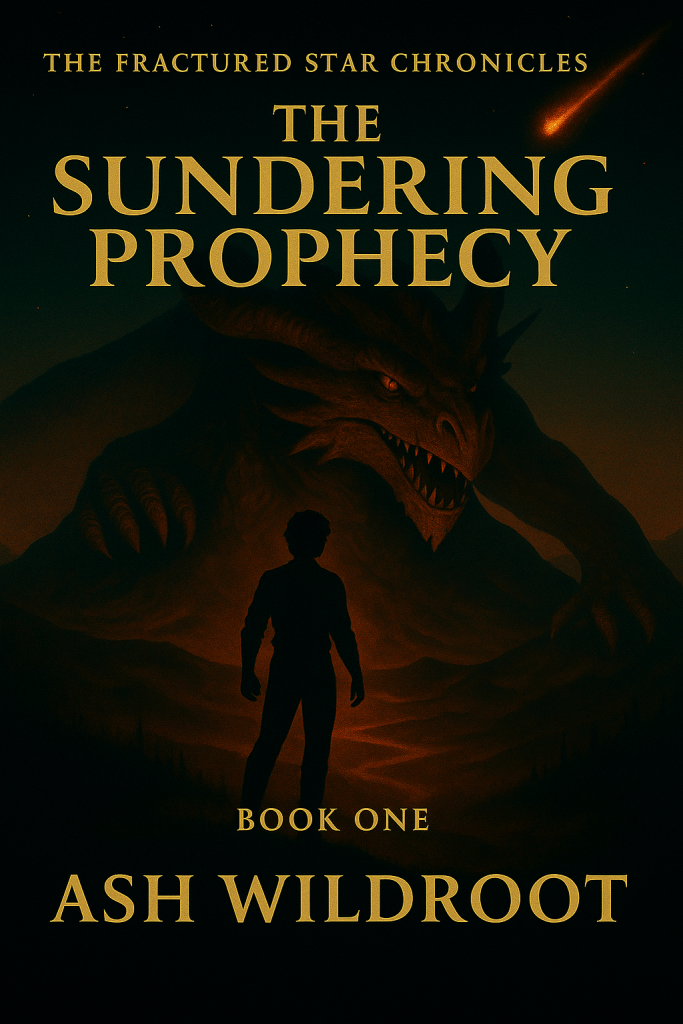
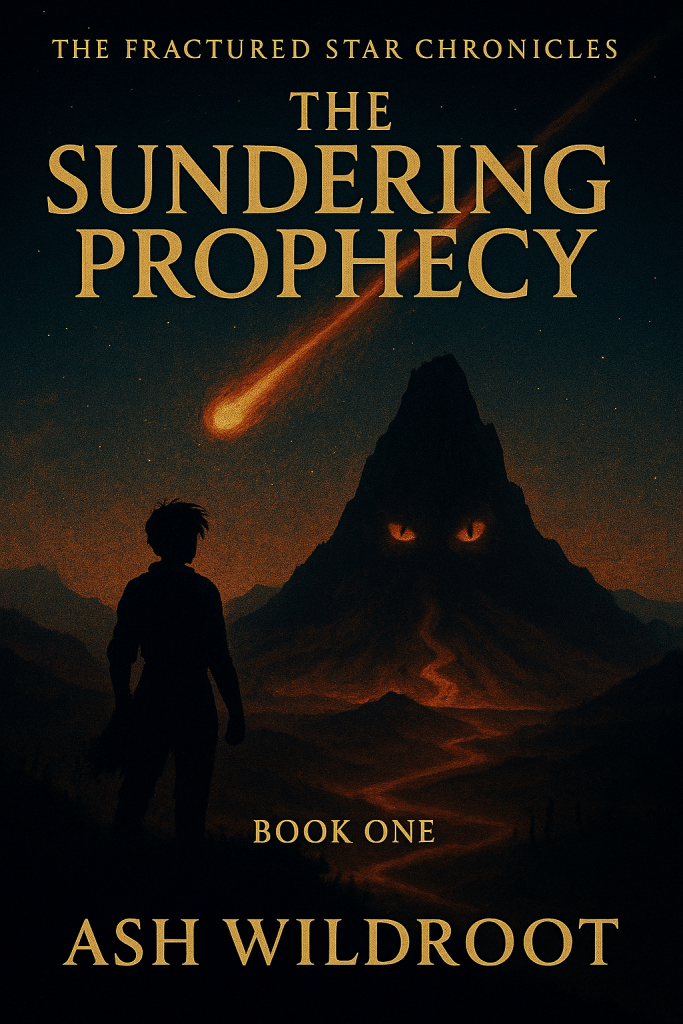
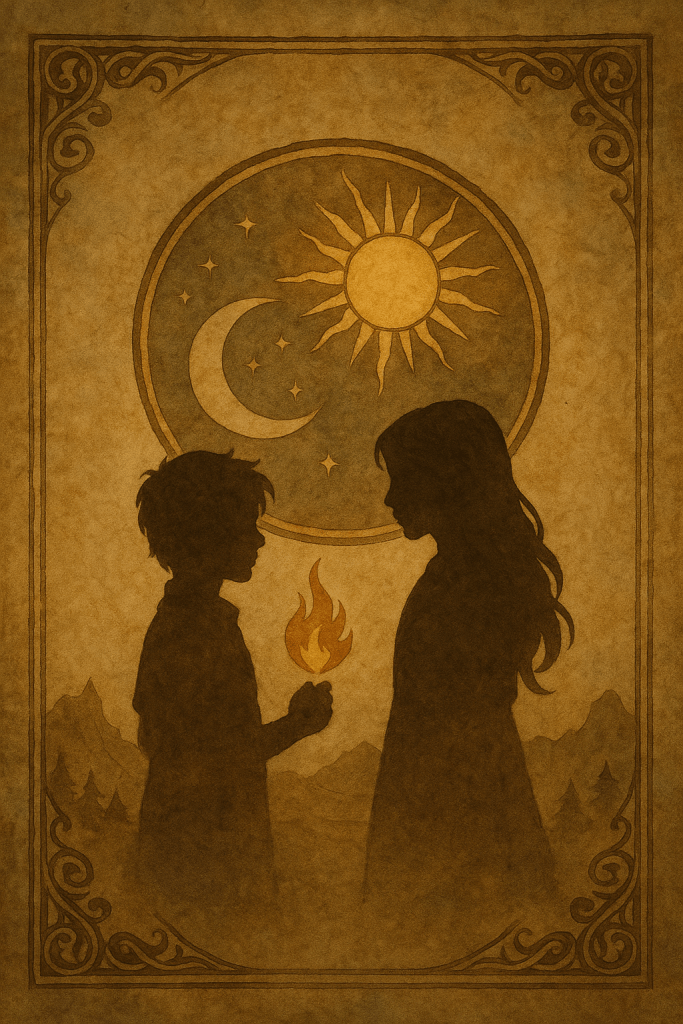
  • Just a quick update on my first book in the Fractured Star Chronicles. I have pretty much finished writing and I will be reading through to make sure the story arc makes sense and flows smoothly. My goal is to publish towards the end of the month and start working on the next book in the series. Here is the planned cover art for book 1.

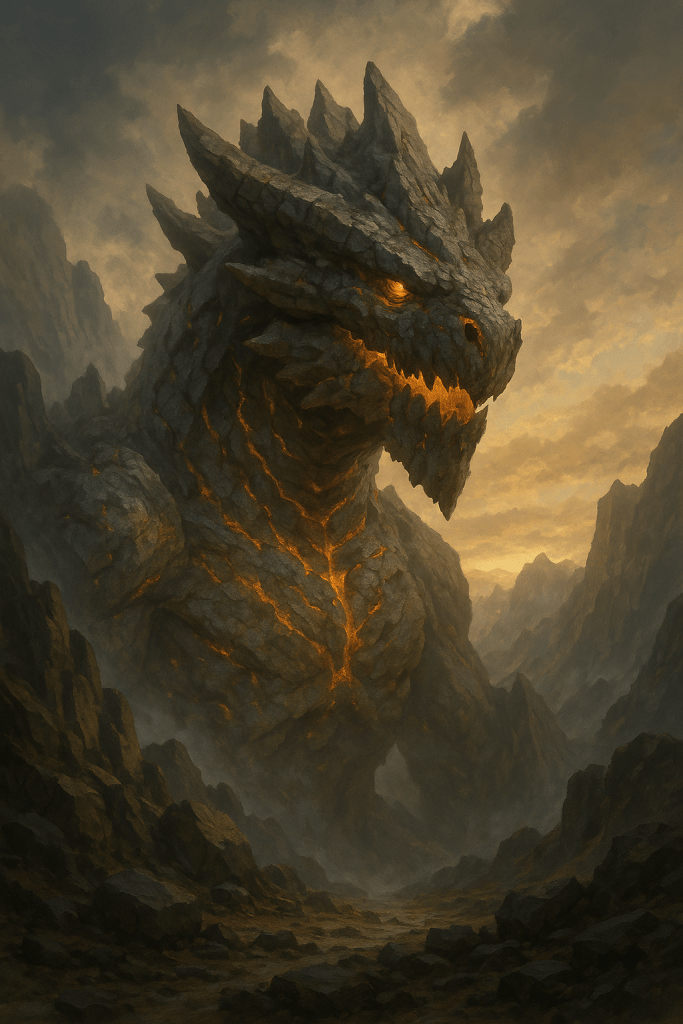
  • In the heart of the world, where mountains rise like the jagged spines of ancient leviathans, lies Stonereach, a realm forged from the fallen body of Terrakhan, the Stonefather, one of the Seven Great Dragons of the First Age.

    Stonereach is not merely a land of stone.
    It is a memory.
    A monument.
    A kingdom built upon the bones of a god.

    When Terrakhan fell during the Sundering, the earth buckled beneath his weight. His ribs rose into mountain ridges. His skull became a plateau of thunder. His shattered spine unfurled into the longest mountain range in the world, splitting continents and shaping the destiny of every kingdom that came after.

    From this colossal corpse, Stonereach emerged, unyielding, immovable, and proud.


    A Kingdom Rooted in History Older Than Mortals

    Stonereach is a land that remembers.

    Every cliff carries the echo of Primordial chaos.
    Every cavern hums with Terrakhan’s lingering resonance.
    Every glacier cut ridge whispers of the ancient war that broke the world.

    The Second Age introduced mortals to the land, yet Stonereach existed long before them, before languages, tribes, or politics. It was one of the first realms defined by the physical leftovers of creation itself.

    Because of that, the people of Stonereach see themselves not as conquerors of the land, but as its inheritors.

    They do not rule the mountains.
    They serve them.


    Politics of Stone, A Nation That Does Not Bend

    Power in Stonereach follows three simple truths:

    Strength is truth.
    Honor is law.
    The mountain remembers everything.

    The kingdom is divided into five great clans, each claiming descent from fragments of Terrakhan’s spirit that seeped into the earliest settlers.

    The Five Clans

    Clan Ironsoul – Keepers of metal and unmatched smiths.

    Clan Earthbreaker – Warriors who hollow fortresses out of cliff faces.

    Clan Deepward – Miners and rune carvers who guard the oldest caverns.

    Clan Stonesworn – Diplomats and lorekeepers, masters of oral memory.

    Clan Highcrag – Mountain rangers and shepherds of stonehorn beasts.

    Leadership rests with the Stone Assembly, a circular council where each clan sends one representative. In theory every voice is equal. In practice, the Assembly shifts as slowly and stubbornly as the earth itself, and only great pressure causes real change.


    Religion, The Cult of the Stonefather

    Other kingdoms pray to all Seven Dragons.
    Stonereach prays to one.

    Terrakhan.
    The Shattered Spine.
    The Mountain Who Fell.
    The Father of Stone.

    To Stonereach, Terrakhan is not a distant myth.
    He is the land beneath their feet.

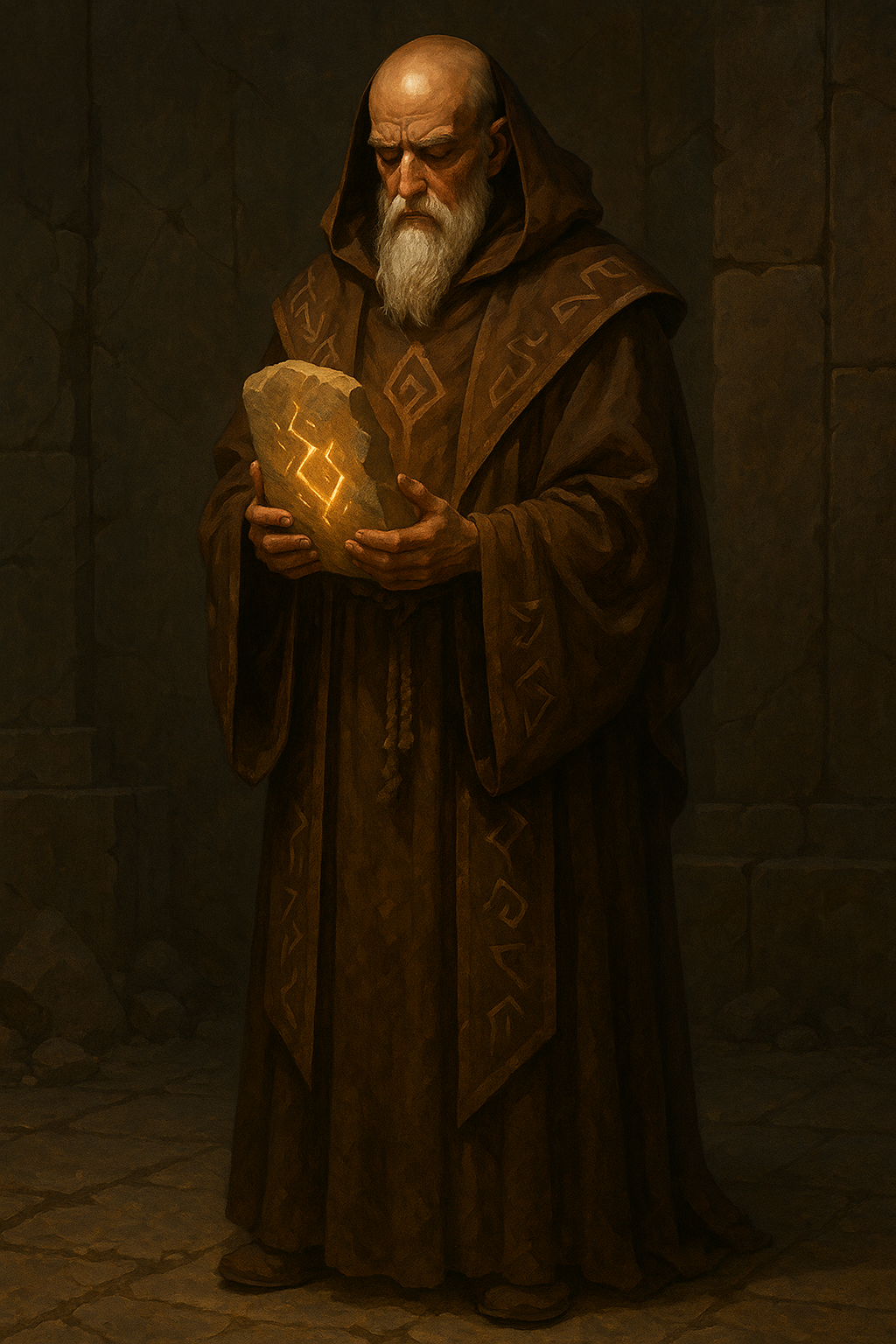
    Their temples are carved directly into the mountains.
    Their hymns are slow and deep, echoing like a heartbeat in stone halls.
    Their priests, known as Earthshapers, believe Terrakhan still dreams beneath the ranges.

    Some claim the earth quakes when he stirs.
    Some whisper that one day he will rise again.
    Others fear what it would mean if a dragon made of continents woke and remembered his last moments.


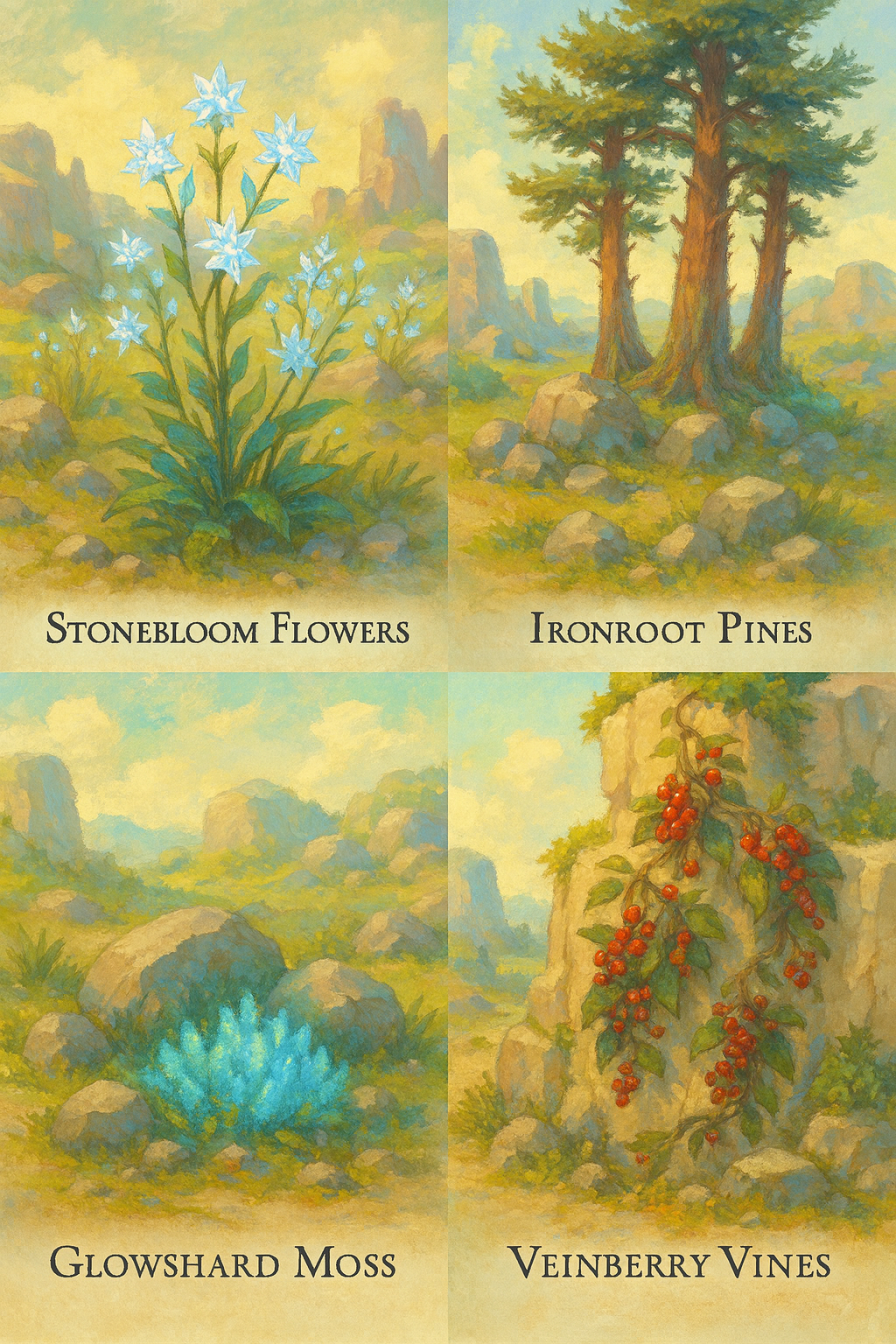
    Plants of Stonereach, Flora Carved From Stone and Frost

    Life here does not flourish easily. It endures stubbornly.

    Stonebloom Flowers
    Delicate blue blossoms that grow only in cracks of granite. At night their petals harden into tiny crystals.

    Ironroot Pines
    Trees with bark so tough it sends up sparks when struck. Their roots burrow straight through rock.

    Glowshard Moss
    A pale, luminescent moss found in the deepest caverns near Terrakhan’s heart. It hums faintly, as if it remembers an older song.

    Veinberry Vines
    Red vines that creep along canyon walls. Their berries have a faint metallic taste and keep mountain travelers alive during lean seasons.

    Every plant in Stonereach reflects a single truth: life persists where lesser things would break.


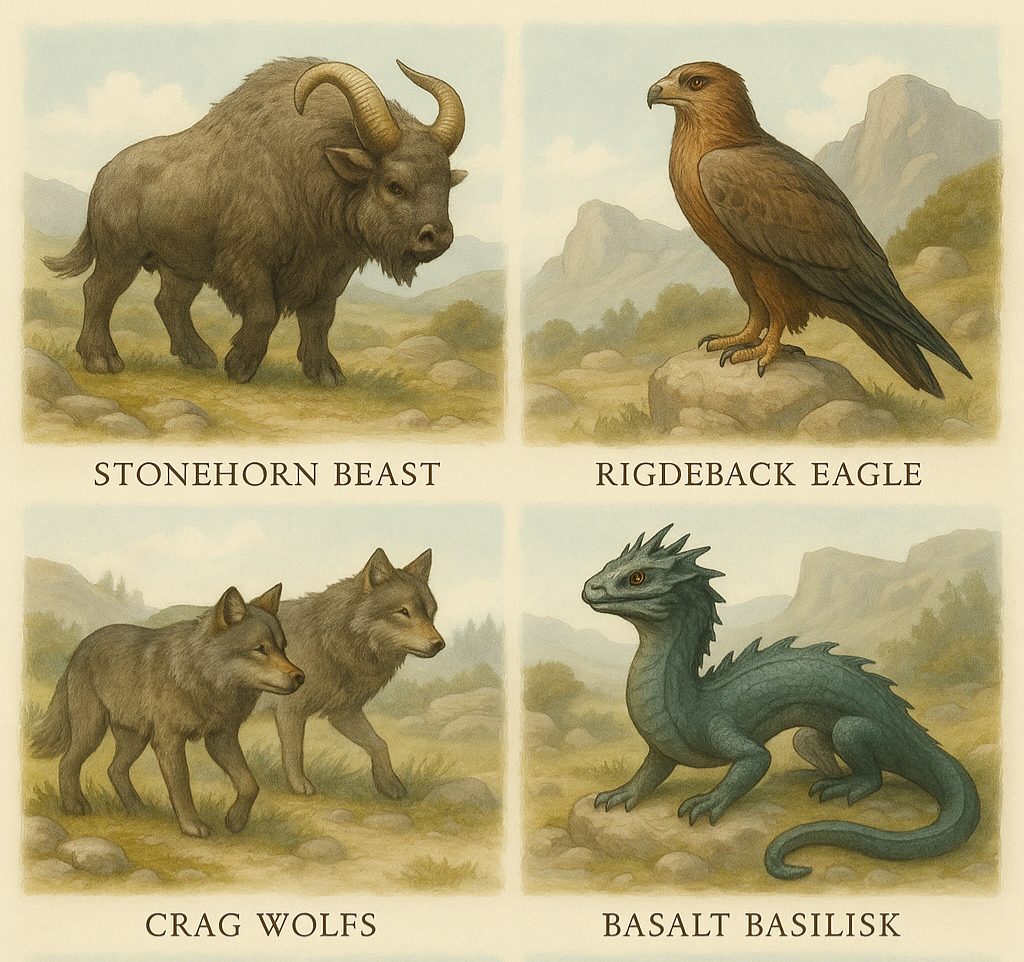
    Animals of Stonereach, Beasts Forged in Stone

    The wildlife of Stonereach mirrors the harsh beauty of the land.

    Stonehorn Beasts
    Massive rams with granite like horns, strong enough to split boulders.

    Crag Wolves
    Pale predators with claws worn smooth by rock. Their howls echo for miles through ravines.

    Basalt Basilisks
    Thick scaled lizards that may descend from Terrakhan’s own shed plates. Their bite gradually petrifies flesh.

    Ridgeback Eagles
    Enormous birds that nest on narrow ledges. They can ride wind currents for days without landing.

    Deepheart Wyrms
    Serpentine creatures rumored to coil within the cavern that once held Terrakhan’s heart. They drink the magic of ancient crystals and glow faintly from within.

    Scholars in Evergrove argue that these wyrms may be Terrakhan’s leftover dreams given shape. Stonereach simply calls them something best left undisturbed.


    The Spirit of Stonereach

    This kingdom is defined by

    Strength, not reckless force, but endurance.

    Memory, a fierce loyalty to history and to the dead.

    Unyielding will, the refusal to bow, break, or forget.

    Reverence, especially for the god whose remains form their home.

    To be born in Stonereach is to inherit a legacy of stone and bone and the slow rumble of ancient power.

    The mountain shaped them.
    The mountain shelters them.
    And somewhere deep below, the mountain may yet dream of rising again.